
Best Practices to Promote Your MSP on Google
If you still think SEO means keyword stuffing and meta tags, it’s time for an update. Google’s local algorithms have evolved fast. In 2026, visibility in your regional market is shaped by trust signals, user experience, and structured data that speaks Google’s language.
For MSPs looking to attract SMB clients in your geographic region, here’s what actually moves the needle now.
Note: This post is not sponsored by Google. The reality is it still is the place to be seen. When that changes, we will write about the alternate, too.
Your Google Business Profile Isn’t Optional; It’s Central
Claim, optimize, and monitor it. Google Business Profiles (GBP) are the digital storefront for local businesses, and MSPs are no exception. A few tips:
- Fill out every field. It should feature your service area, hours, and business description. Use language your clients would use (e.g., “IT support in Chicago,” not “managed infrastructure solutions”).
- Add real photos. Include your team, your office, and your work. Stock art doesn’t cut it.
- Enable messaging if your team can respond within 24 hours.
- Post updates monthly, like special offers, case studies, and seasonal tips. Google favors active profiles.
Reviews Are The Gold Standard for Trust
More than half of SMB buyers look at reviews before they pick up the phone. Make it easy for happy clients to speak up. Set up a simple follow-up email asking for a review with a direct link.
Don’t be afraid of a 4-star review. It often looks more credible than a wall of 5s. Whether they are positive or negative, respond to every review with professionalism. Avoid fake reviews at all costs. Google is cracking down hard. Bonus: Your star rating and review count directly influence local map rankings.
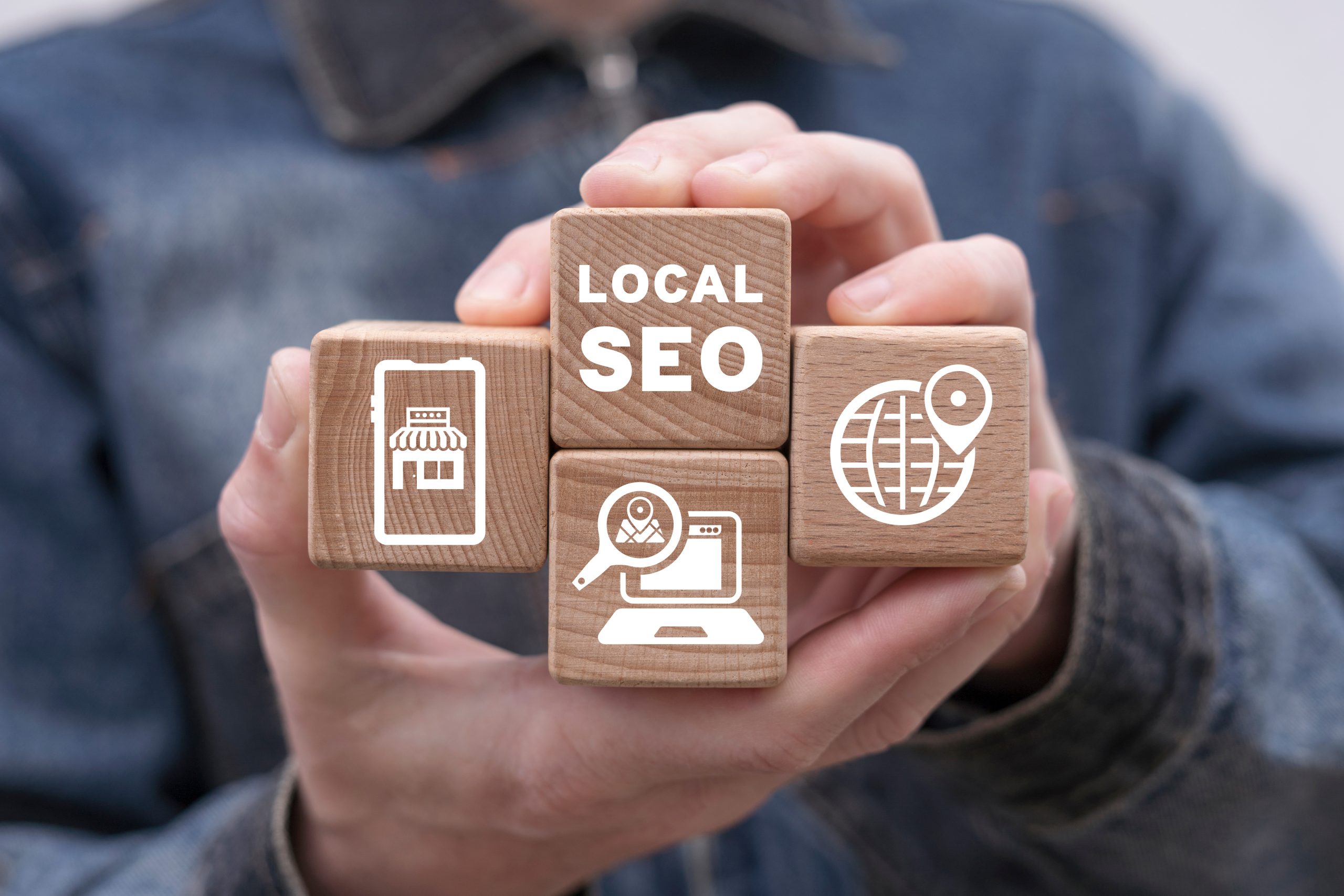
Local Schema: The Behind-the-scenes Booster
Adding local business schema markup to your website doesn’t change how it looks. However, it changes how Google reads it. This structured data helps search engines understand your address, services, service area, and hours with clarity.
If you’re using WordPress, plugins can help with schema. If not, your web developer can easily add it. This is one of the most overlooked but impactful steps in local SEO.
Build Location Landing Pages That Don’t Sound Like Spam
If you serve multiple cities, don’t just clone your homepage with a different city name. Instead, create unique pages. Each one should include:
- Local testimonials or case studies
- Specific industries served in that region
- References to nearby landmarks or events
- A tailored call to action (e.g., “Serving the Nashville business community for 10-plus years”)
- Keep these pages authentic and useful, not just placeholders for Google.

Lala Ina Enriquez
And Finally
SEO isn’t a one-and-done project. It’s ongoing visibility maintenance.
“Securing the No. 1 spot on Google requires persistence, strategic insight, and continual adaptation,” wrote digital marketing expert Lala Ina Enriquez in a ChannelPro article.
When done right, it turns your website into your best salesperson. It will work 24/7 to connect you with the right clients in your own backyard. In 2026, a strong local SEO strategy isn’t just helpful. It’s foundational.
Next Steps
- Want more helpful guidance on generating leads, closing deals, or improving your MSP’s visibility? Check out the ChannelPro Marketing and Sales Answer Center.
- Have a question for our experts? Send it to editors@channelpronetwork.com
Featured image: wladimir1804 — stock.adobe.com