

Some of the best MSP efficiency opportunities require vendor partnerships. With the right help, a service provider can get more value from programs already in use. It can also mean using new tools like AI to increase capacity without adding headcount.
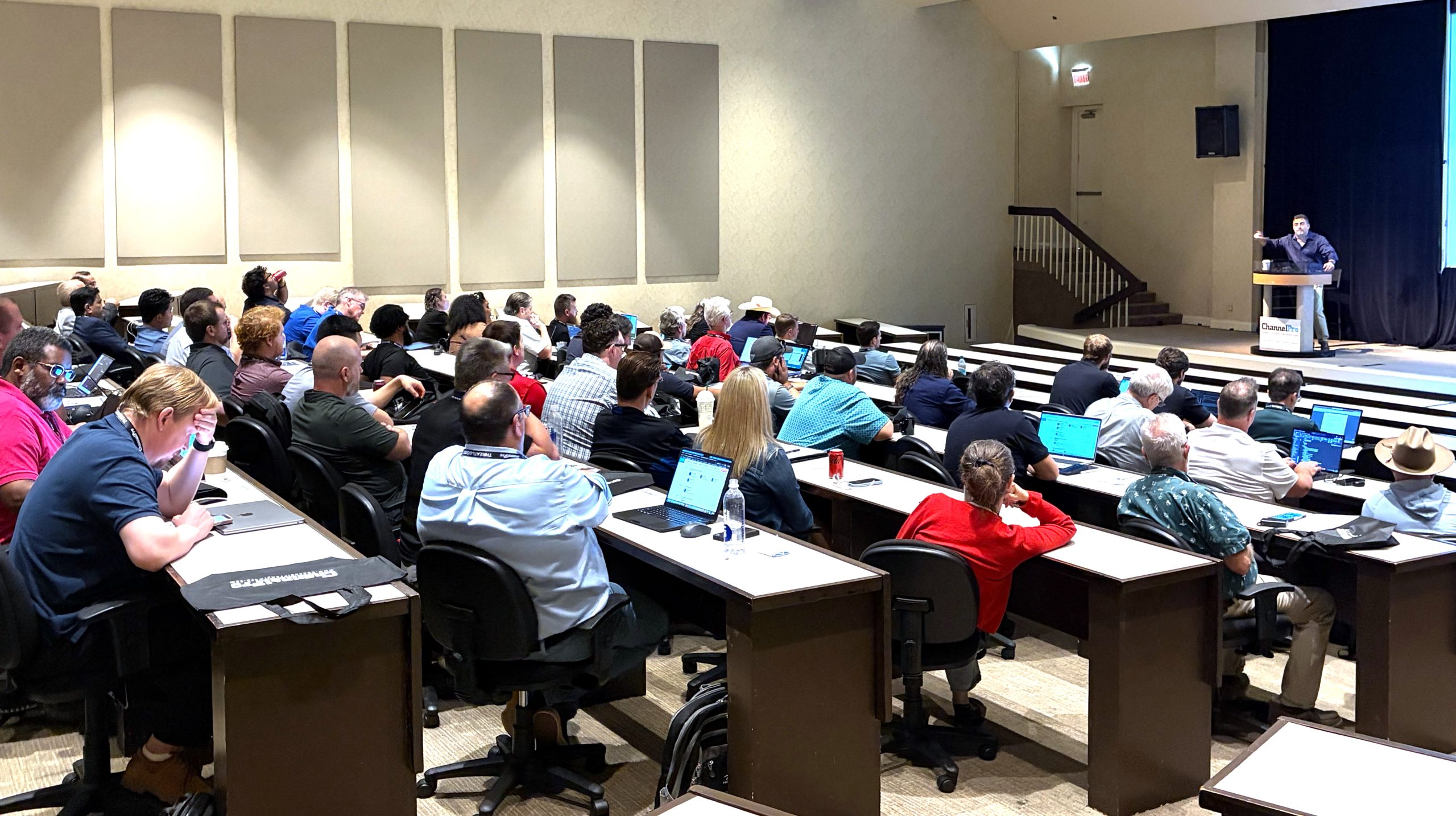
At ChannelPro LIVE: Parsippany, the ChannelPro editorial team spoke with two innovative vendors to learn how IT businesses can improve operational efficiency and profitability. Read on to get insight into how Partner Development Group and Squash AI help MSPs grow.
Capture more revenue from your Microsoft relationship
- New opportunity: Microsoft partner optimization and Copilot services
- Business problem solved: Missed incentives, underused partner benefits and weak Microsoft alignment
- MSP advantage: Helps providers capture more value from work they already perform

Chuck Kiessling
Microsoft is central to many MSP businesses, but plenty of IT providers still leave money on the table. MSPs are missing out by failing to claim customer activity, pursue designations and build services around new products like Copilot.
Partner Development Group helps bridge that gap by translating Microsoft’s requirements into practical actions for MSPs. CEO and founder Chuck Kiessling described the company as the translator between “what Microsoft wants and what the partner should be doing to gain the maximum amount of value out of their relationship.”
Why MSPs should care
Kiessling said providers often fail to claim the work they’re already doing, which can reduce incentives, rebates and co-op funding. That can make partner administration more than a back-office chore. Done correctly, it can directly influence revenue.
Why it’s easy to add
PDG works with MSPs to understand their businesses, improve Partner Center activity and map existing customers back to Microsoft sales teams. Kiessling said stronger operational discipline can also help train Microsoft’s referral algorithms and improve partner visibility.
Recurring revenue potential
Copilot creates an especially strong services opportunity. Kiessling said the partners gaining traction are moving beyond simple licensing and wrapping services, adoption roadmaps and business outcomes around the platform.
“The ones that are making that shift by wrapping services and creating a customer experience and adoption roadmap around something like Copilot … those are the ones that are really winning,” Kiessling said.
Where to start
Don’t just ask whether clients want Copilot licenses. Ask which business problems they want AI to solve, then build services around adoption, governance and measurable outcomes.
True MSP efficiency in today’s world requires AI and automation
- New opportunity: AI-powered service desk automation
- Business problem solved: Technician shortages, slow response times and repetitive support work
- MSP advantage: Expands service desk capacity without sacrificing consistency or control

Sandeep Uppaluri
Squash AI is tackling that problem with what co-founder and CEO Sandeep Uppaluri calls an “AI technician for MSPs.” The platform integrates with PSA, RMM, networking, security and backup tools to help with ticket intake, triage, dispatch, diagnosis and even resolution.
Why MSPs should care
Uppaluri sees AI as a way to give technicians more leverage rather than simply replace them. He said MSPs can use AI to handle more work while keeping people focused on oversight, customer needs and more complex issues.
“You are now able to work on 10 tickets at the same time versus just working on one at a time, while not compromising on consistency, reliability [or] the quality of your service,” he said.
Why it’s easy to add
Squash is designed to fit around each MSP’s existing workflows. Some partners use it primarily for intake, triage and dispatch, while others focus on diagnosis and resolution. Governance also plays a central role in the model. MSPs can decide which actions AI can take, when it needs approval and which customers or systems it can access.
Recurring revenue potential
Better service desk performance can become a growth lever itself. Faster responses and greater capacity can help MSPs support more users, differentiate their service and introduce new AI-enabled capabilities without proportionally increasing headcount.
Uppaluri sees the service desk as central to that opportunity. “The service desk is a super valuable asset,” he said. “That is where you start.”
Where to start
Identify where repetitive tickets, slow triage or technician bottlenecks are limiting growth. Then determine where AI can safely add capacity without weakening the customer experience.
Grow more without adding more
Not every path to higher revenue requires another service line, another acquisition or another employee. Sometimes the bigger opportunity is getting more value from the resources already inside the business.
For MSPs, that means:
- Finding missed revenue opportunities
- Identifying places employees spend time that could be streamlined
- Zeroing in on technology investments that could produce a greater return.
Improving those areas can create the capacity to serve more customers and generate more revenue without allowing costs to rise at the same rate.
Jonathan Browning is executive director of content and engagement for The ChannelPro Network. He has been a leader in the IT channel for close to a decade. He’s an avid fan and early adopter of technology. He believes that the IT industry is the most important driver of economic growth and human innovation in today’s world.
Images: Sashkin – stock.adobe.com, Chuck Kiessling via LinkedIn, Sandeep Uppaluri via LinkedIn