
ThreatLocker this week expanded its Zero Trust platform with new network and cloud access controls. This solution is designed to stop a fast-growing threat for MSPs and their clients: credential-based cyberattacks.
The new Zero Trust network and cloud access capability extends ThreatLocker’s deny-by-default security approach beyond endpoints. It now controls access to SaaS platforms and company networks. By requiring both valid credentials and a trusted device before granting access, it aims to prevent attackers from using stolen login information to infiltrate business systems. Access is denied by default unless the connection originates from an approved device and is brokered through the ThreatLocker platform.
The company unveiled the new capabilities during its Zero Trust World 2026 conference. Held March 4–6 at the Rosen Shingle Creek resort in Orlando, FL, the annual event offers hands-on labs, sessions, and keynotes. These provide real-world attack techniques and Zero Trust defenses for cybersecurity practitioners, MSPs, and IT leaders.
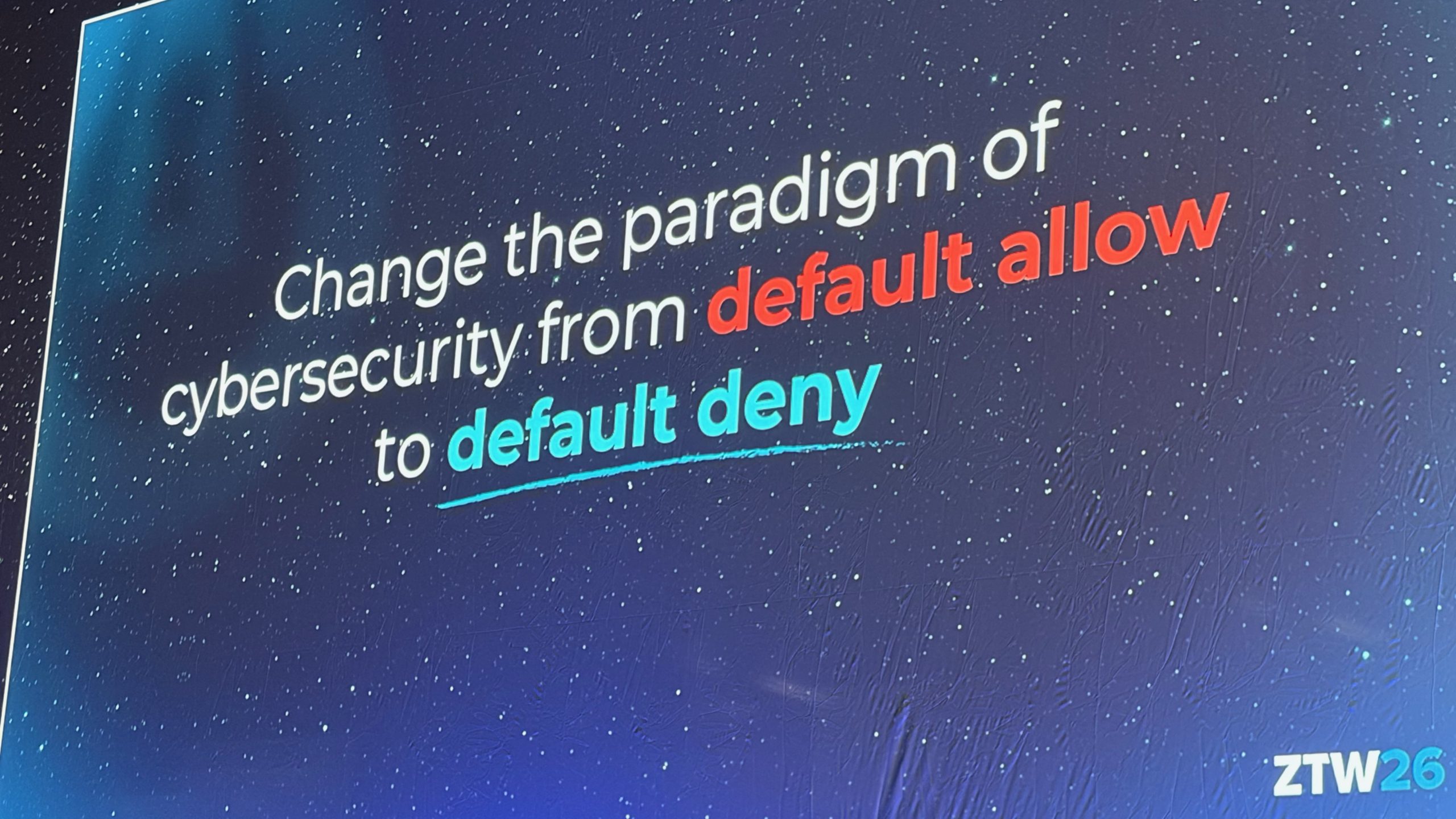
“When we build a product, when we think about delivering solutions, we have one mission. That is to change the paradigm of security from default allow to default deny,” ThreatLocker CEO and Co-founder Danny Jenkins said during the When Failure Is Not an Option keynote presentation. “Detecting and responding isn’t good enough.”
Stopping Credential-based Attacks

(From left) Danny Jenkins and Rob Allen on stage at Zero Trust World 2026 in Orlando.
Credential theft has become one of the most common causes of data breaches. Attackers increasingly bypass traditional safeguards. Methods such as multi-factor authentication (MFA) trick users into entering credentials and MFA codes on sophisticated phishing sites.
ThreatLocker’s new controls add another requirement. Even with valid credentials, access is blocked unless the user connects from a trusted device routed through a secure broker.
For MSPs supporting SMB customers, which often lack large internal security teams, that layer of protection could help close a major security gap.
It also helps MSPs deliver value to clients through cybersecurity services, said Reagan Roney, chief experience officer of Washington, D.C.-area MSP Solvere One. “We as MSPs are always preaching how we want to proactively stop things at the gate or at the door. But sometimes things get through. Now, to have something that actually will shut the door again is priceless.”
Device-based Access to SaaS and Networks
ThreatLocker’s expanded controls apply to common SaaS and collaboration platforms, including Microsoft 365, Salesforce, Google Workspace, Asana, and GitHub. That matters because stolen credentials alone won’t be enough to get in.
This technology addresses the growing problem of phishing attacks powered by automation and AI. These methods often are capable of fooling even well-trained employees.

Brian Weiss
Brian J. Weiss, CEO and chief AI officer of California MSP ITECH Solutions, said the approach represents a meaningful step forward from traditional Zero Trust Network Access tools that grew out of VPN technology.
“It truly is ZTNA reimagined, in the sense that traditional ZTNA is still somewhat clunky, because it comes from traditional VPN technology. And it tends to be an all-or-nothing approach. It’s not as dynamic as it could or should be.”
By tying access to a trusted device rather than credentials alone, ThreatLocker’s platform aims to reduce risk created by human error.
“It doesn’t matter if somebody has my phone,” ThreatLocker Chief Product Officer Rob Allen said during the keynote. “They don’t have my face. So, it is checking identity when it’s connecting to the secure network.”
The system can be deployed quickly, sometimes in as little as 30 minutes, and gives administrators granular control over which endpoints can access company resources. For MSPs managing dozens of customer environments, preventing credential-based attacks earlier in the kill chain could also reduce the number of alerts and incident response efforts required.
- Secure access to cloud systems and networks through validated computers and mobile devices
- Remote desktop connections without requiring open ports
- Group policies that block malicious or inappropriate websites
- Reduced alert fatigue by preventing attacks before detection tools are triggered
- Support for Federal Information Processing Standards (FIPS) compliance requirements
Completing a Unified Zero Trust Platform
The new capabilities also mark another step in ThreatLocker’s vision. Its goal is to build a unified Zero Trust platform spanning endpoints, applications, storage, and SaaS environments, ThreatLocker COO and Co-founder Sami Jenkins said in a prepared statement. “ThreatLocker secures an organization’s entire digital footprint with a single tool, easing the burden on security teams and significantly reducing alert fatigue.”
By extending Zero Trust controls, the company aims to give MSPs a more comprehensive way to enforce the “never trust, always verify” security model across customer environments.
More Zero Trust World Coverage from ChannelPro
➡️ Zero Trust World in Orlando Puts MSP Security Strategies Into Practice
➡️ Winning Strategy: 3 Ways MSPs Can Take a Stronger Stand on Cybersecurity
Anjali Fluker is managing editor for The ChannelPro Network, where she covers news, trends, and best practices for the MSP community. She specializes in telling the stories that matter to IT providers serving the SMB market. When she’s not reporting on the latest in managed services, she’s connecting with channel pros at industry events across the country.
Images: Anjali Fluker/ChannelPro