Resolving events and improving operational efficiency at client sites is a pillar of MSP success. Yet, as information technology systems become more complex and intertwined, the challenges grow — as do potential problems.
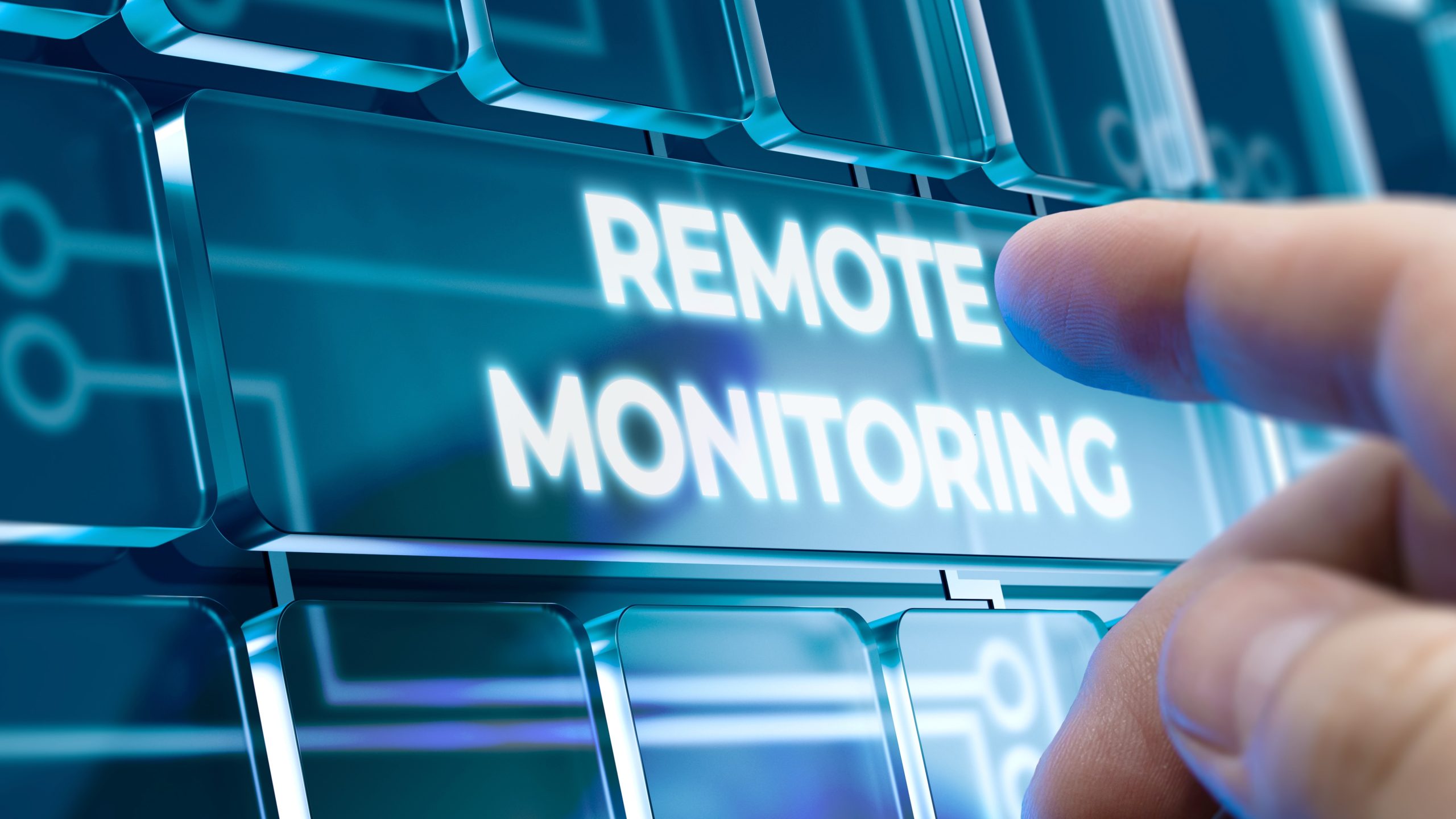
That’s where remote monitoring and management (RMM) enters the picture. It has emerged as an essential tool for MSPs. The technology allows service providers to use tools like device monitoring, automation, alerts, remote access and reporting to resolve issues without setting foot at a client site.
“Proactive monitoring along with automatic remediation monitoring and alerting capabilities that track devices, endpoints, and networks in real time are essential,” said Arvind Parthiban, CEO and co-founder of RMM provider SuperOps.
Remote Controls
Here are seven critical considerations when selecting a platform and a vendor:
1. Does the Platform Deliver Features Designed for SMBs?
SMBs have different requirements than larger organizations, and technicians at these firms often wear multiple hats. “Automation is critical,” Parthiban said.

Arvind Parthiban
This includes custom scripting and task execution that connects disparate devices, background tools that simplify remote troubleshooting, and robust monitoring, and performance reporting. “Ultimately, an RMM tool should simplify processes, save time, and support the technician’s multifaceted role in managing SMB IT environments,” he explained.
2. How Well Does the Platform Integrate and Scale with Other Systems and Applications?
A platform should expand and scale as an MSP’s client base expands. An MSP can also benefit from white labeling that supports customization and rebranding.
“Key factors include checking device and user limits, ensuring the tool can add advanced features as services evolve, and verifying performance under increased load,” Parthiban noted. This points to the need for flexible licensing model and a robust set of APIs that allow an MSP to add new technologies as business conditions change and the tech stack evolves.
3. Does the Platform Incorporate Advanced Features Like AI?

Will Ominsky
Artificial intelligence can automate processes and squeeze out manual tasks. But that’s only part of its appeal. “AI can play a significant role in sales by identifying gaps in current provider offerings or helping MSPs better predict and prepare for customer needs,” said Will Ominsky, vice president of MSP sales at Nerdio.
For example, AI can spot potential challenges based on client profiles. “This kind of forward-looking strategy is where AI delivers the greatest value,” Ominsky added.
4. What Does the Cost Structure and ROI Look Like?
The upfront price of an RMM solution is simply a starting point. Total cost of ownership (TCO) is what really matters. On the cost side, this includes licensing model flexibility, subscription fee structure, secondary costs and potential add-ons, maintenance and support, and training. On the ROI side, critical factors include increased efficiency and revenue growth opportunities that derive from new and improved service offerings.

Jason Short
“MSPs should look at productivity and device-to-technician ratios, response times to unique tickets, automated response to tickets and events, and client satisfaction related to response time and issue resolution,” said Jason Short, vice president of product management at ConnectWise.
5. What Is the Level of Vendor Support and Training?
Even the best RMM solution will disappoint without high quality service and support from the vendor. An MSP should look at several crucial factors when selecting a solution. These include:
- Whether the vendor offers 24/7 technical support
- Robust training resources
- An active user community and knowledge base
- Its commitment to providing regular platform patches, updates and improvements
6. What Security and Compliance Standards Does the RMM Solution Provide?
Security shouldn’t be an afterthought. An RMM platform should incorporate a Zero Trust framework. Key considerations include:
- Security certifications
- Data protection measures
- Identity and access control capabilities
- Auditing features
- Compliance reporting tools
- Multitenancy support
“Ensure that the tool is customizable… and it has a strong reputation in the community,” Parthiban advised.
7. What Is the Vendor’s Roadmap?
Finally, it’s critical to know how a vendor plans to navigate an increasingly chaotic business and IT environment. A best practice approach considers the vendors stated roadmap as well as its history of innovation. Other key factors include: the platform’s flexibility and ability to scale via APIs, the level of contract flexibility the vendor offers, what data portability options it offers, and how it integrates with emerging technologies, including AI.
Protecting Your Investment
The right RMM can turbocharge an MSP’s operational efficiency and growth potential. It can trim costs and position client businesses for long-term success. MSPs that review technical considerations, practical realities and specific business needs unlock value and maximum results.
As Parthiban concluded: “The goal should be to future-proof your investment.”
This article has been updated. It originally published on 2/16/26.
Featured image: tashatuvango — stock.adobe.com